
Introduction
The concept of a “mud army” refers to a group of volunteers who are mobilized to assist in emergency response efforts during times of crisis. The term was first used during the 2011 floods in Australia, when thousands of volunteers helped to fill sandbags and provide other forms of support to affected communities.
Since then, the idea has been adopted in various parts of the world and has evolved to incorporate new technologies and strategies. In this article, we will explore the concept of a “mud army 2.0” and how it differs from earlier versions of the idea.
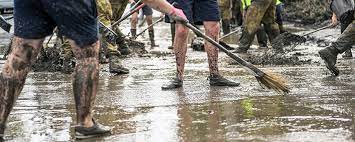
Table of Contents
History of the Mud Army
The term “mud army” was first used in Australia during the 2011 floods, which were the worst to hit the country in decades. As the floodwaters rose, thousands of volunteers from across the country came together to help fill sandbags, build levees, and provide other forms of support to affected communities.
The term quickly caught on, and was used to describe the collective efforts of these volunteers. In the months that followed, the idea gained traction in other parts of the world, as communities faced their own emergencies and turned to volunteers for help.
Since then, the concept has evolved, as new technologies and strategies have emerged to help mobilize volunteers and coordinate their efforts.
Mud Army 2.0
Mud army 2.0 refers to the latest iteration of the concept, which incorporates new technologies and strategies to improve the effectiveness of volunteer efforts during emergencies.
One of the key features of mud army 2.0 is the use of social media and other digital tools to mobilize and coordinate volunteers. In the aftermath of a disaster, organizers can use social media platforms like Twitter and Facebook to quickly spread the word about the need for volunteers and to provide updates on the situation.
Another important feature of mud army 2.0 is the use of crowdmapping and other geospatial technologies to help volunteers identify areas of need and track their progress. Crowdmapping platforms like Ushahidi allow volunteers to report on conditions in real time, creating a dynamic picture of the situation on the ground.
This information can be used by organizers to identify areas of need and deploy resources accordingly. It can also be used to track the progress of volunteer efforts, allowing organizers to assess the effectiveness of their strategies and make adjustments as needed.
In addition to these technological innovations, mud army 2.0 also incorporates new strategies for volunteer recruitment and management. One approach that has gained traction in recent years is the use of “microvolunteering” platforms, which allow volunteers to contribute small amounts of time and effort to support disaster relief efforts.
Platforms like the United Nations’ Online Volunteering service and the Red Cross’ Virtual Volunteer program allow volunteers to complete short, targeted tasks like translating documents or mapping affected areas. This can be a more manageable way for people to get involved in disaster relief efforts, particularly for those who may not have the time or resources to commit to longer-term volunteering.
Conclusion
The concept of a mud army has evolved significantly since it was first used in Australia in 2011. Today, it incorporates a range of new technologies and strategies to help mobilize and coordinate volunteers during times of crisis.
From social media and crowd-mapping to micro-volunteering platforms, these innovations have the potential to make volunteer efforts more effective and efficient, ensuring that resources are deployed in the most strategic way possible.
As the world continues to face a growing number of disasters and emergencies, the role of volunteers in disaster relief efforts will only become more important. By embracing the latest technologies and strategies, mud army 2.0 represents an important step forward in the ongoing effort to improve emergency response efforts and support affected communities.
However, there are also challenges to be overcome. As mud army 2.0 continues to evolve, organizers and volunteers must be mindful of issues like privacy and data security, and work to ensure that these new technologies are used in responsible and ethical ways.
Ultimately, the success of mud army 2.0 will depend on the willingness of volunteers and organizers to embrace these new tools and strategies, and to work together to build a more effective and resilient approach to disaster relief.