
While Elon Musk and individuals at Neuralink are attempting to get FDA endorsement to test their Neuralink BCIs on individuals and get them supported for clinical purposes, a biotech in Utah appears to have beaten them to the objective, liberally, and has proactively embedded cerebrum contributes many patients.
Blackrock Neurotech, settled in Salt Lake City, tries to fix actual handicap, visual deficiency, deafness, and wretchedness. The NeuroPort Exhibit chip empowers people to control mechanical appendages and wheelchairs, play computer games, and even sense sentiments.
Additionally read: Neuralink, Elon Musk’s cerebrum PC interface organization is searching for human preliminary accomplices.
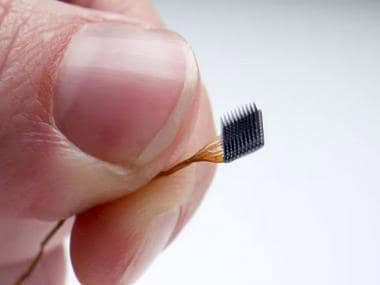
It works by utilizing almost 100 microneedles that join to the cerebrum and read electrical signs created by somebody’s viewpoints. Multiple dozen individuals have up to this point got it. The gadget was first embedded in a human in 2004. Organization pioneers desire to offer it for sale to the public soon, reporting in 2021 they went for the gold year.
“We are the main business with direct-mind BCI inserts in people,” said Marcus Gerhardt, prime supporter of Blackrock. “With just their mind motivations, our embedded clusters have empowered patients to interface straightforwardly to PCs, control mechanical appendages and wheelchairs, play computer games, and even reestablish feeling.”
Blackrock’s methodology utilizes an embedded micro processor with 96 exhibits, which are little thin molded cerebrum chips equipped for perusing and invigorating electrical motivations. It could be placed anyplace on the outer layer of the mind. Various gadgets can be embedded in the cerebrum of a similar individual.
The gadget screens electrical motivations made by the wearer’s considerations after implantation. These signs are decoded by AI programming into advanced orders, for example, cursor developments, which might be used to work prostheses and PC gear.
This can help somebody in drawing with a mechanical arm, using PC programs, or controlling a wheelchair or prosthetic appendage. Nonetheless, the organization is currently looking for FDA endorsement for gadgets intended for use beyond the lab, for example, those utilized by individuals with loss of motion at home.
“We are chasing after administrative freedom of the world’s very first BCI fabricated especially for at-home use: MoveAgain,” Gerhardt added. “This clinical innovation plans to further develop patients with loss of motion’s opportunity and development, and, eventually, personal satisfaction.”

Additionally read: Elon Musk’s Neuralink: Two neurosurgeons say something regarding the practicality of Musk’s mind embed and its true capacity.
He expects that BCIs will become as normal in deadened patients as pacemakers are in people with heart issues. “When home-use BCIs are open, they’ll empower people to make new ways of life that might have appeared to be unattainable following their debilitation; we hope to see individuals return to work, gain more prominent freedom, and associate with the world in strong new ways,” he says.
“Our drawn out objective is for our inserts to be as generally accessible to people with loss of motion as pacemakers are to those with heart issues.” The business is now chipping away at cerebrum PC associations that will assist with reestablishing hearing and vision.
“As innovation propels, we’ll see BCIs with signs for memory and emotional wellness issues like nervousness and misery,” said Gerhardt. It has been utilized on more than three dozen individuals whom Blackrock, which is irrelevant to the resource the executives business, alludes to as “BCI pioneers.” The gadget has been embedded in people for a sum of 80 years with no significant sick impacts revealed.
Notwithstanding, the gadget has a few traps. The clusters on the embed gradually separate over the long haul, making its sign quality corrupt after close to two years. The gadget will generally should be eliminated after about five years, requiring one more medical procedure to take it out and afterward supplant it.
As per Gerhardt, Blackrock at first embedded a BCI in 2004 however has commonly stayed away from public examination in light of the fact that to stresses over open view of the gadgets. ‘As a firm, we’ve likewise played much more dynamic job in emerging from in the background and helping energized patients in telling their encounters,’ he added.
“When patients gain admittance to these gadgets beyond the lab, I accept public interest will skyrocket.”Gerhardt accepts that soon, the innovation may be utilized to get all that from lost recollections PTSD and sorrow.
ELON MUSK Declared A Ton OF STUFF AT THE NEURALINK Occasion. HERE’S THE MOST Significant.

“For instance, with wretchedness, BCI could show potential for adjusting neuronal action in mind regions associated with temperament control,” he added. “On account of sicknesses like gloom or PTSD, spatially and transiently designated electrical or attractive feeling of mind tissue could help hinder or reinvent terminating designs that add to the problem.”
The data could likewise prompt a superior comprehension of diseases like misery, as well as how they are recognized and treated. BCI innovation may be used to recuperate lost recollections over the long haul.
“Memory is a muddled interaction, yet modern embedded BCI innovations might have the option to utilize designated electrical recording and excitement of specific neurons and circuits to assist with reestablishing a portion of the working associated with memory creation and recovery
While Elon Musk and individuals at Neuralink are attempting to get FDA endorsement to test their Neuralink BCIs on individuals and get them supported for clinical purposes, a biotech in Utah appears to have beaten them to the objective, liberally, and has proactively embedded cerebrum contributes many patients.
Blackrock Neurotech, settled in Salt Lake City, tries to fix actual handicap, visual deficiency, deafness, and wretchedness. The NeuroPort Exhibit chip empowers people to control mechanical appendages and wheelchairs, play computer games, and even sense sentiments.
Additionally read: Neuralink, Elon Musk’s cerebrum PC interface organization is searching for human preliminary accomplices.
It works by utilizing almost 100 microneedles that join to the cerebrum and read electrical signs created by somebody’s viewpoints. Multiple dozen individuals have up to this point got it. The gadget was first embedded in a human in 2004. Organization pioneers desire to offer it for sale to the public soon, reporting in 2021 they went for the gold year.
“We are the main business with direct-mind BCI inserts in people,” said Marcus Gerhardt, prime supporter of Blackrock. “With just their mind motivations, our embedded clusters have empowered patients to interface straightforwardly to PCs, control mechanical appendages and wheelchairs, play computer games, and even reestablish feeling.”
Blackrock’s methodology utilizes an embedded micro processor with 96 exhibits, which are little thin molded cerebrum chips equipped for perusing and invigorating electrical motivations. It could be placed anyplace on the outer layer of the mind. Various gadgets can be embedded in the cerebrum of a similar individual.
The gadget screens electrical motivations made by the wearer’s considerations after implantation. These signs are decoded by AI programming into advanced orders, for example, cursor developments, which might be used to work prostheses and PC gear.
This can help somebody in drawing with a mechanical arm, using PC programs, or controlling a wheelchair or prosthetic appendage. Nonetheless, the organization is currently looking for FDA endorsement for gadgets intended for use beyond the lab, for example, those utilized by individuals with loss of motion at home.
“We are chasing after administrative freedom of the world’s very first BCI fabricated especially for at-home use: MoveAgain,” Gerhardt added. “This clinical innovation plans to further develop patients with loss of motion’s opportunity and development, and, eventually, personal satisfaction.”
Additionally read: Elon Musk’s Neuralink: Two neurosurgeons say something regarding the practicality of Musk’s mind embed and its true capacity.
He expects that BCIs will become as normal in deadened patients as pacemakers are in people with heart issues. “When home-use BCIs are open, they’ll empower people to make new ways of life that might have appeared to be unattainable following their debilitation; we hope to see individuals return to work, gain more prominent freedom, and associate with the world in strong new ways,” he says.
“Our drawn out objective is for our inserts to be as generally accessible to people with loss of motion as pacemakers are to those with heart issues.” The business is now chipping away at cerebrum PC associations that will assist with reestablishing hearing and vision.
“As innovation propels, we’ll see BCIs with signs for memory and emotional wellness issues like nervousness and misery,” said Gerhardt. It has been utilized on more than three dozen individuals whom Blackrock, which is irrelevant to the resource the executives business, alludes to as “BCI pioneers.” The gadget has been embedded in people for a sum of 80 years with no significant sick impacts revealed.
Notwithstanding, the gadget has a few traps. The clusters on the embed gradually separate over the long haul, making its sign quality corrupt after close to two years. The gadget will generally should be eliminated after about five years, requiring one more medical procedure to take it out and afterward supplant it.
As per Gerhardt, Blackrock at first embedded a BCI in 2004 however has commonly stayed away from public examination in light of the fact that to stresses over open view of the gadgets. ‘As a firm, we’ve likewise played much more dynamic job in emerging from in the background and helping energized patients in telling their encounters,’ he added.
“When patients gain admittance to these gadgets beyond the lab, I accept public interest will skyrocket.”Gerhardt accepts that soon, the innovation may be utilized to get all that from lost recollections PTSD and sorrow.
ELON MUSK Declared A Ton OF STUFF AT THE NEURALINK Occasion. HERE’S THE MOST Significant.
“For instance, with wretchedness, BCI could show potential for adjusting neuronal action in mind regions associated with temperament control,” he added. “On account of sicknesses like gloom or PTSD, spatially and transiently designated electrical or attractive feeling of mind tissue could help hinder or reinvent terminating designs that add to the problem.”
The data could likewise prompt a superior comprehension of diseases like misery, as well as how they are recognized and treated. BCI innovation may be used to recuperate lost recollections over the long haul.
“Memory is a muddled interaction, yet modern embedded BCI innovations might have the option to utilize designated electrical recording and excitement of specific neurons and circuits to assist with reestablishing a portion of the working associated with memory creation and recovery,” says Gerhardt.